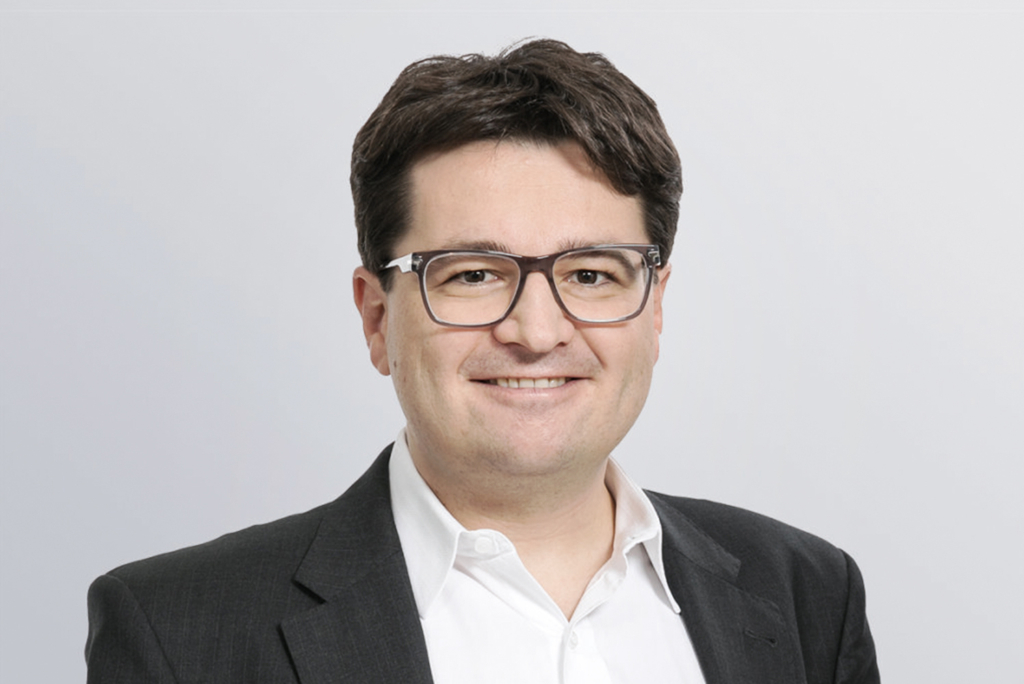
Dr Tobias Riethmüller is a lawyer and partner at GSK Stockmann and was involved in developing portagon’s Advisory Suite: among other things, he defined the algorithm for the new digital financial investment advice service based on the legal requirements. He is clear that the requirements for investment advice will continue to rise in the future.
Dr Riethmüller, how has the regulation of financial investment advice in Germany developed in recent years?
Investor protection has gained enormous importance since the financial crisis of 2007/2008. The key reform was the revision of the European Markets in Financial Instruments Directive, MiFID, known as MiFID II. Aimed at restoring lost confidence in the financial sector, it introduced numerous transparency requirements and conduct obligations for investment advice. These include the suitability assessment, which requires clients’ preferences to be matched with potential investment products, with the entire process documented in a suitability statement; cost information, which must be provided to clients before and after they subscribe to an investment; and the mandatory recording of advisory conversations, known as “taping”. These requirements now also apply to advisers authorised under Section 34f of the German Trade Regulation Act.
Many financial institutions and intermediaries are struggling with these requirements. Is that justified?
We need to keep in mind what this is about: strengthening confidence in the financial market, preventing crises and protecting investors. Ultimately, everyone active in this environment benefits. But, of course, these requirements can place a considerable burden on smaller providers in particular, as they have to adapt repeatedly to changing, and generally stricter, rules. The administrative burden has increased significantly, as have liability risks. On the other hand, these requirements have also fostered certain business models: today, liability umbrellas often provide the compliance framework within which investment advisers can operate.

Dr. Tobias Riethmüller
Partner at GSK Stockmann
“The legal framework for investment advice is becoming more complex.”
What penalties do banks and investment advisers face if they fail to comply with legal requirements?
There are two dimensions to consider: regulatory and civil law. From a regulatory perspective, for example, the Federal Financial Supervisory Authority (BaFin) conducts regular reviews of individual providers, requests records of advisory conversations or contractual documents, among other things, and can prohibit or restrict the distribution of financial instruments. Potential sanctions are determined on a case-by-case basis, must comply with the principle of proportionality and range from requiring improvements to fines and the withdrawal of authorisation. Under civil law, investors can of course claim damages, for example if advisers are shown to have breached their duties to inform or advise, or failed to act in the investor’s interests. It should be noted that investment advisers may incur liability much more quickly as a result of their individual advisory services than investment brokers.
Will the legal requirements for investment advice continue to rise?
That is clearly the current trend. We are seeing a highly dynamic financial market: new products, new forms of investment, and increasing digitalisation. All of this is translated into new legal rules and requirements through regulation, with a certain time lag. In addition, from this August, financial advisers will be required to ask their clients about their sustainability preferences and take these into account when making investment recommendations. This, too, presents the industry with new challenges.
Can you give us a concrete example …
A clear example is the European MiFID Template, a format that product providers and financial intermediaries can use to exchange information relevant under MiFID II. It is an Excel sheet with around 100 rows. A comparable document for sustainability regulation, the European ESG Template, has recently been introduced. It contains almost 600 data points that may be relevant to advisory activities.
Another example is the European Markets in Crypto-Assets Regulation (MiCA). This will soon require providers of certain crypto-asset services to comply with regulatory requirements based on the provisions of MiFID and the Market Abuse Regulation, even though the crypto-assets in question are not financial instruments within the meaning of MiFID. These new requirements may also affect investment advisers and their risks.
GSK Stockmann was founded in 1997 through the merger of lawyers from leading German and international business law firms. Since then, we have grown steadily and today, with more than 200 lawyers, tax advisers and notaries, rank among the 30 largest business law firms in Germany by revenue.
Dr Tobias Riethmüller is a lawyer and partner at GSK Stockmann, Head of the GSK Competence Center Digitalisation and Managing Director of GSK Compliance GmbH. He served as an expert witness to the German Bundestag on capital market matters on several occasions. After working at national and international business law firms, Dr Riethmüller joined GSK Stockmann in 2019.